
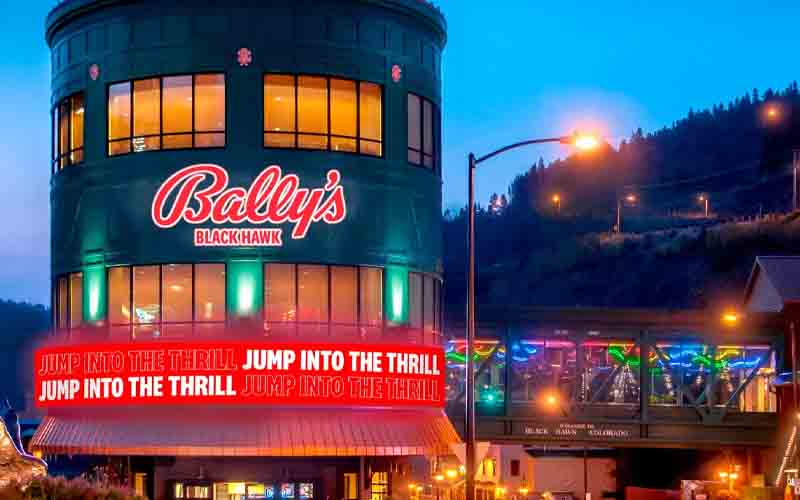
 Bally’s casino workers in Black Hawk, Colorado, secured the right to pursue union representation through the International Brotherhood of Teamsters under a new neutrality agreement, marking a notable moment for labor relations in the U.S. gaming industry.
The deal, announced in November 2025, allows employees at Colorado’s local casinos to organize without a formal union election and instead use a streamlined card check process. Under this arrangement, once most workers in a given unit sign an authorization card, Bally’s will automatically recognize them as part of the Teamsters union.
Casino workers nationwide have increasingly pushed for better wages, benefits, and job protections, and this move could set a precedent for other regional gaming markets concerned about staffing and retention.
Bally’s officials and union leaders say the agreement underscores mutual respect and shared goals for stronger workplace environments, though questions remain about how this will impact daily operations and labor dynamics in the region.
BlackHawk Casinos and the Teamsters Agreement
Black Hawk, one of Colorado’s three legalized gaming hubs alongside Central City and Cripple Creek, is rapidly growing in both visitation and revenue. Bally’s operates three signature casino venues here, often referred to as Bally’s East, North, and West properties.
The neutrality deal with the Teamsters is a big step forward for workers seeking collective voice and bargaining power. While unionization efforts have been more common in large urban markets like Las Vegas and Atlantic City, Black Hawk’s deal signals widening interest among gaming employees in smaller but bustling markets.
Teamsters General President Sean M. O’Brien called the concord “a way to raise standards across an entire industry,” stating that workers now have the freedom to unionize without fear. Management echoed a cooperative tone, noting they aim to ensure long-term opportunities for casino staff and thriving communities in Black Hawk.
Labor agreements like this one are becoming more visible as the gaming business grapples with hiring challenges and competition for talent. Black Hawk alone houses more than a dozen venues vying for workers, making retention and workplace satisfaction a priority for operators.
Union efforts in gaming aren’t limited to Colorado. In recent years, workers at major regional properties, including Encore Boston Harbor and Hard Rock Casino Rockford in Illinois, have also voted to join the Teamsters, suggesting momentum in the sector.
Online Casino Options and What It Means for Gamblers
While labor developments shape the physical casino workforce, gamblers increasingly explore online Colorado casino platforms as alternatives to brick-and-mortar play. These digital venues operate across state borders and provide players with access to slot games, table games, and sometimes live dealer experiences from anywhere with an internet connection.
Unlike land-based casinos such as Bally’s, which must comply with state labor laws and local regulations, offshore platforms typically operate under international licenses and aren’t regulated by U.S. gaming authorities.
As unionization and workplace changes unfold in places like Black Hawk, gambling customers will continue to have diverse ways to play, from supporting local casino employees on the floor to spinning reels with online casino games. Understanding the differences between regulated domestic gaming, union-backed venues, and offshore platforms can help consumers make informed choices about where and how they play.